The time zone (GMT+4) enables trading and business to be conducted with Africa, Europe, Asia and the US on the same business day
Mauritius is a democracy with a government elected every five years
Mauritius has a fully functioning and effective legal system that derives from both French civil law and English common law
Mauritius has a fully functioning and effective legal system that derives from both French civil law and English common law
The MIAC brings the highest level of dispute resolution services to the international community. From its establishment in 2011 until 2018, MIAC operated as part of a joint venture with the London Court of International Arbitration (LCIA-MIAC Arbitration Centre)
Mauritius has been dubbed the ‘Gateway to Africa’ due to an extensive network of DTAs that enable it to act as a staging post for investment into Africa
Mauritius operates a ‘low tax’ rather than a ‘no tax’ regime. The maximum corporate tax rate is 15% but certain income streams, and income derived from exports is taxed at 3% without the requirement of landing goods in Mauritius. Mauritius imposes no withholding tax on dividends, interest and royalties, no capital gains tax, free repatriation of profits, no estate duty, inheritance tax or gift tax
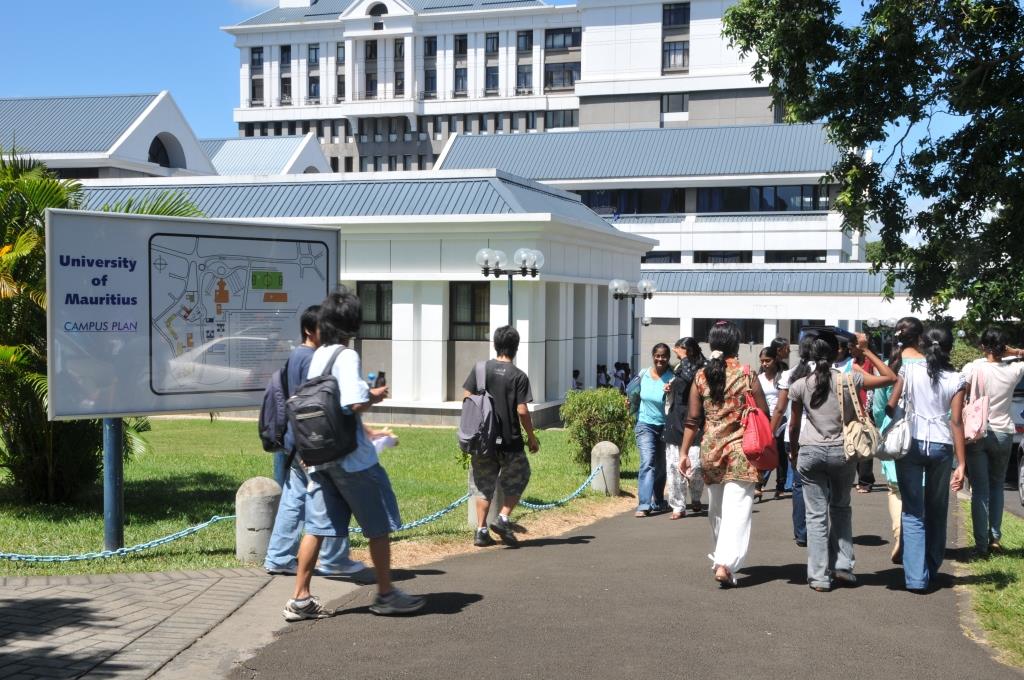
Mauritius has skilled, educated, and bi-lingual staffs
Goods processed in Mauritius can, subject to satisfying the rules of origin as per the COMESA Trade Protocol, qualify for zero or reduced rate of duties in the COMESA member countries. In addition, 11 countries, namely, Burundi, Djibouti, Egypt, Kenya, Madagascar, Malawi, Mauritius, Rwanda, Sudan, Zambia and Zimbabwe, are members of the COMESA Free Trade Area and apply zero tariffs on inter-member trade
All products imported from countries of the SADC are duty-free. The implementation of the SADC Trade Protocol started in the year 2000 and provided for the gradual elimination of all customs duties among SADC countries with a longer tariff phase-down period for sensitive products
Mauritius is also a party to AGOA (African Growth and Opportunities Act) which builds on the existing Generalized System of Preferences (GSP) scheme and offers duty-free and quota-free market access to the United States. The AGOA/GSP program stands at approximately 7,000 product tariff lines, including the roughly 1,800 product tariff lines that were added to the GSP by the AGOA legislation. These include items such as apparel and footwear, wine, certain motor vehicle components, a variety of agricultural products, chemicals, steel and others. In order to qualify for duty-free access to the US under GSP, the Rules of Origins needs to be met
The European Union (EU) has granted preferential market access to the African, Caribbean and Pacific (ACP) States since 1964 under the successive Lomé Conventions and the Cotonou Agreement. Under these trade agreements, the ACP countries have benefited from duty-free access on the EU market on almost all products. An interim EPA was signed in Mauritius on 29 August 2009 between the European Commission and four Eastern and Southern African (ESA) countries namely: Mauritius, Madagascar, Seychelles and Zimbabwe
This partnership agreement is the first of its kind signed by India and an African country. This bilateral agreement covers trade in goods & services, investment, technical assistance, and economic cooperation. CECPA represents an important milestone in the trade and economic relationship between Mauritius and India, providing access to a market of more than 1.3 billion inhabitants to Mauritius
The MCFTA is the 1st FTA between China and a country in the African continent. For Mauritius, this FTA is the first with a country in East Asia and serves as a strong link in connecting Mauritius to one of the world’s most dynamic emerging economies and to the broader Asian continent. The possibility to tap the ASEAN markets in general and the Chinese market in particular, will constitute an extraordinary asset in Mauritius’ efforts to attract FDI in China. It will be a unique opportunity to create whole new sectors of activity such as electronic goods, ICT hardware assembly, pharmaceuticals and chemicals, amongst others thereby, broadening the manufacturing base in Mauritius